Selling is the lifeblood of any entrepreneurial venture, yet mastering it requires more than just charm or luck—it demands continuous learning and strategic insight. The most successful entrepreneurs know that the best sales strategies are built from knowledge gained over time, often from the wisdom shared by seasoned experts.
To help you strengthen your sales game, we’ve compiled a list of essential sales books that offer timeless insights, actionable advice, and proven techniques from the world’s top sales professionals.
Here are the greatest sales books of all time.
1. SPIN Selling
Goodreads Rating
Author
4.0/5 Stars
Neil Rackham
Neil Rackham’s SPIN Selling is a groundbreaking work in the sales world, introducing a structured approach based on years of extensive research. The SPIN technique stands for Situation, Problem, Implication, and Need-Payoff, a series of questions designed to guide sales conversations and uncover customers’ needs.
Instead of relying on aggressive tactics, Rackham encourages a consultative approach where the salesperson digs deep into understanding the customer’s problems before offering a solution. The focus is on creating value by addressing fundamental issues rather than pushing a sale.
2. The Challenger Sale
Goodreads Score
Authors
3.91/5 Stars
Matthew Dixon, Brent Adamson
In The Challenger Sale, Dixon and Adamson challenge the conventional wisdom of relationship-based selling. They argue that the most successful salespeople aren’t those who build rapport but those who challenge the customer’s existing thinking.
These “Challengers” use their deep understanding of the customer’s business to provide unique insights and guide them toward new solutions. The book highlights three main pillars: teaching, tailoring, and taking control, which help salespeople effectively navigate complex sales environments and offer tailored value.
Pink redefines selling as a natural human activity focused on moving others to exchange what they have for what you can offer, emphasizing empathy and understanding.
4. The Little Red Book of Selling
Goodreads Score
Author
4.06/5 Stars
Jeffrey Gitomer
Jeffrey Gitomer’s The Little Red Book of Selling is a treasure trove of practical, no-nonsense advice for anyone in sales. Gitomer distills his years of experience into concise, actionable tips that focus on the importance of attitude, trust, and understanding customer needs.
He emphasizes the concept that people prefer buying over being sold, highlighting the importance of creating an environment where customers feel comfortable making their own decisions. The book’s engaging style and bite-sized lessons make it a favorite for both new and seasoned sales professionals.
5. Influence: The Psychology of Persuasion
Goodreads Score
Author
4.22/5 Stars
Dr. Robert Cialdini
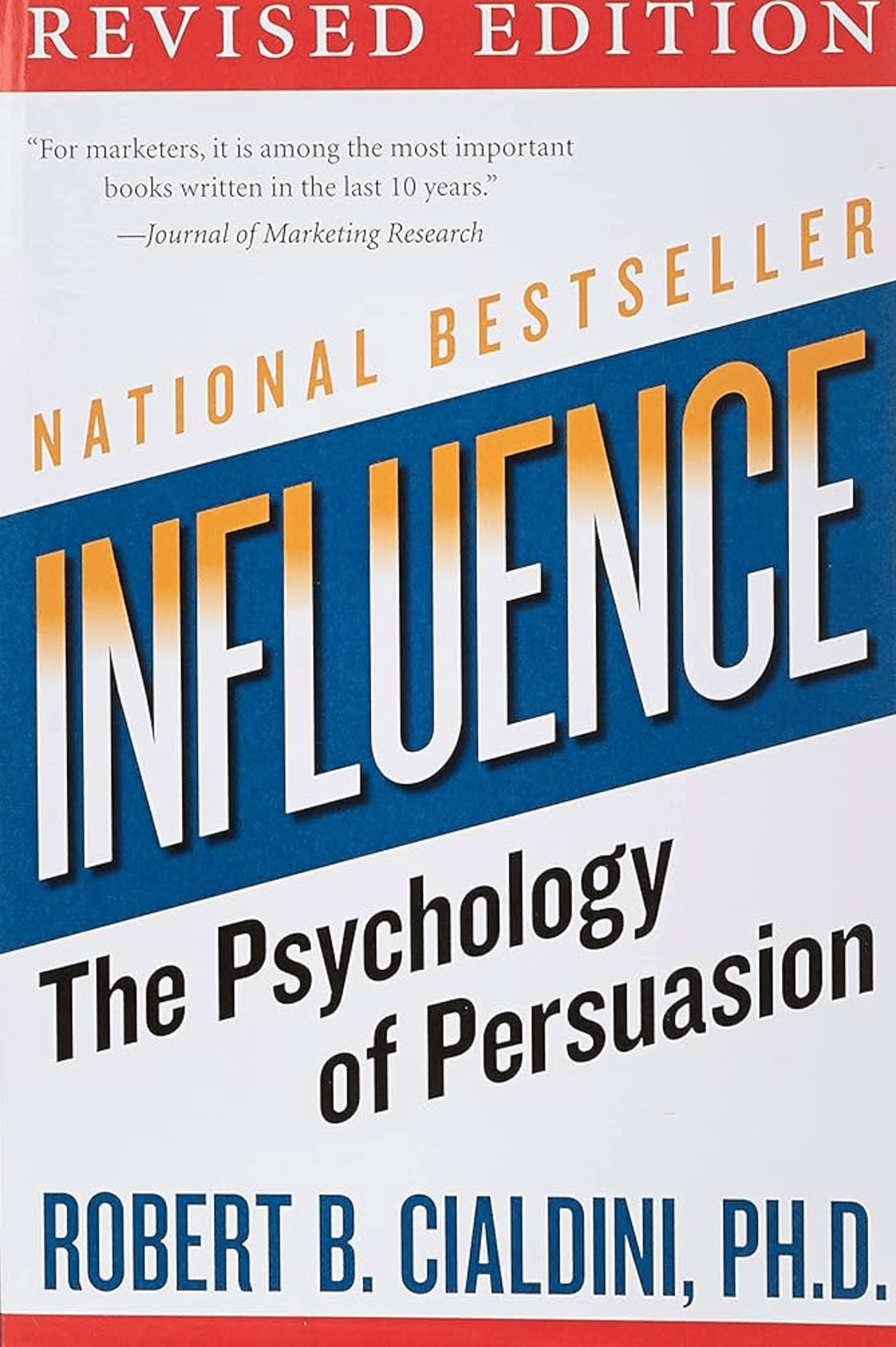
Dr. Robert Cialdini’s Influence is a classic in psychology and marketing, widely regarded as one of the best books on understanding human behavior. The six universal principles that Cialdini describes as essential to influence include reciprocity, commitment, social proof, authority, liking, and scarcity.
He explains how these principles can be leveraged ethically to persuade and influence others. The book is filled with real-world examples, making it a practical guide for salespeople looking to improve their persuasion skills.
6. Never Split the Difference
Goodreads Score
Author
4.38/5 Stars
Chris Voss
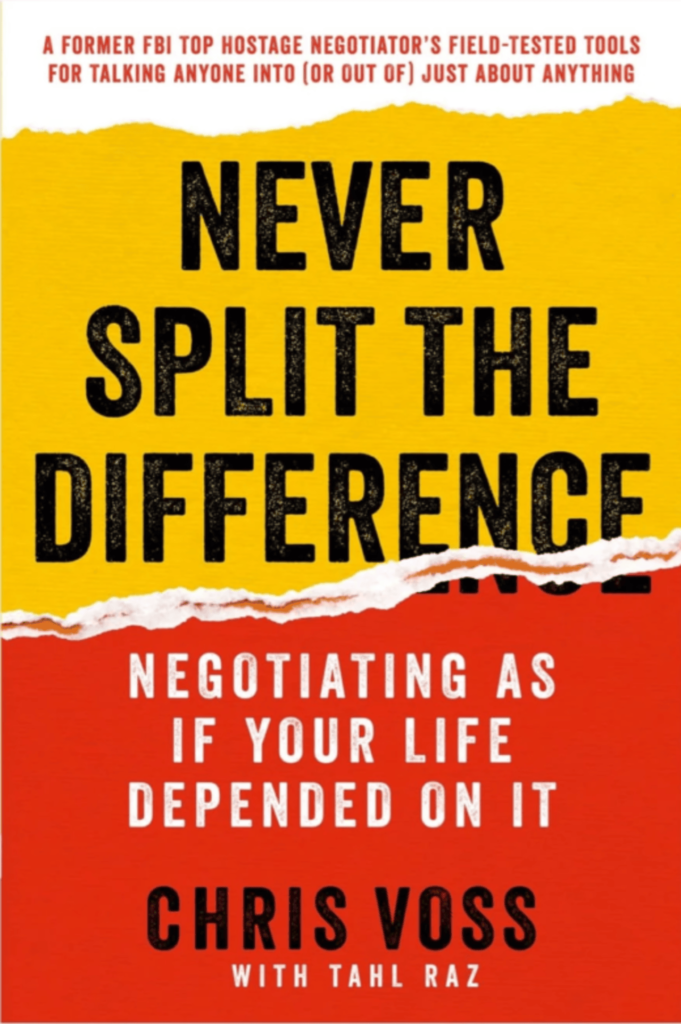
In Never Split the Difference, Chris Voss, a former FBI hostage negotiator, introduces readers to unique negotiation tactics rooted in psychology and human behavior. Voss emphasizes the importance of tactical empathy—understanding your counterpart’s emotions to gain their trust.
He teaches techniques like mirroring, labeling, and calibrated questions, which help sales professionals navigate high-stakes situations and reach favorable outcomes. His approach focuses on guiding the conversation without conceding ground unnecessarily.
7. The Sales Bible
Goodreads Score
Author
3.98/5 Stars
Jeffrey Gitomer
Jeffrey Gitomer’s The Sales Bible is a comprehensive guide packed with practical advice, strategies, and real-world examples designed to enhance the skills of any salesperson. Gitomer stresses the importance of building relationships over merely closing sales.
This sales book covers everything from prospecting to handling objections, focusing on maintaining a positive attitude and delivering value to customers. It is considered a go-to resource for those seeking to build a solid foundation in sales.
8. The Greatest Salesman in the World
Goodreads Score
Author
4.46/5 Stars
Og Mandino
In his classic work, The Greatest Salesman in the World, Og Mandino presents the story of a young man who rises from poverty to success with the help of ten ancient scrolls filled with enduring principles of salesmanship and personal growth.
The book emphasizes persistence, positive thinking, and the power of good habits. Through a narrative format, Mandino shares inspirational lessons that resonate with anyone looking to achieve greatness in their sales career and personal life.
9. Questions That Sell
Goodreads Score
Author
3.95/5 Stars
Paul Cherry
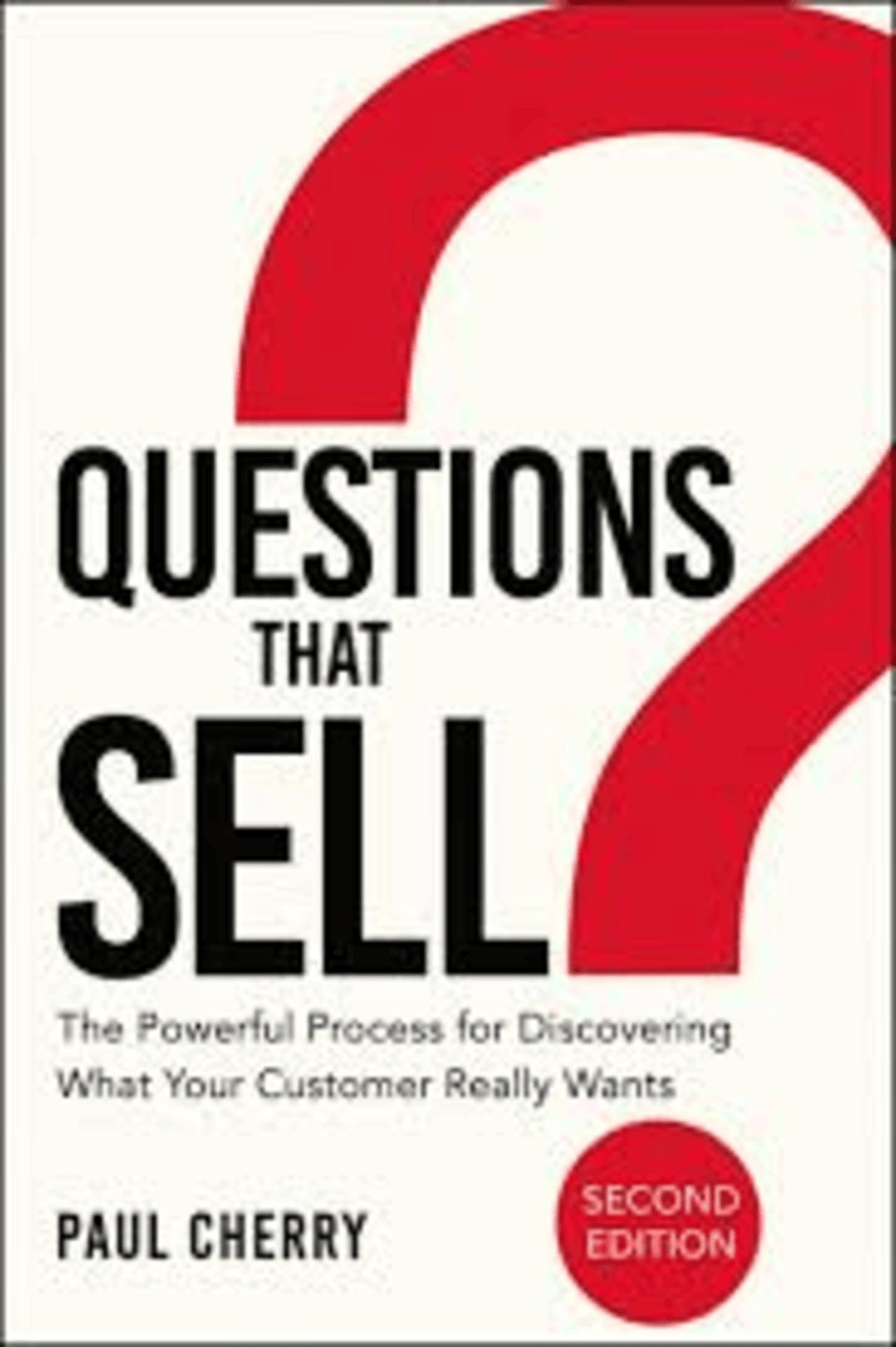
In Questions That Sell, Paul Cherry emphasizes the critical role of asking the right questions to uncover customer needs and drive the sales process forward. Cherry provides a framework for formulating practical, open-ended questions that prompt deeper conversation and understanding.
This approach helps sales professionals avoid hard-selling tactics and guide prospects toward recognizing the problem, the stakes, and the next logical step.
The book combines practical advice with inspirational stories, making it a captivating read for anyone interested in mastering the craft of selling.
11. The Science of Selling
Goodreads Score
Author
4.01/5 Stars
David Hoffeld
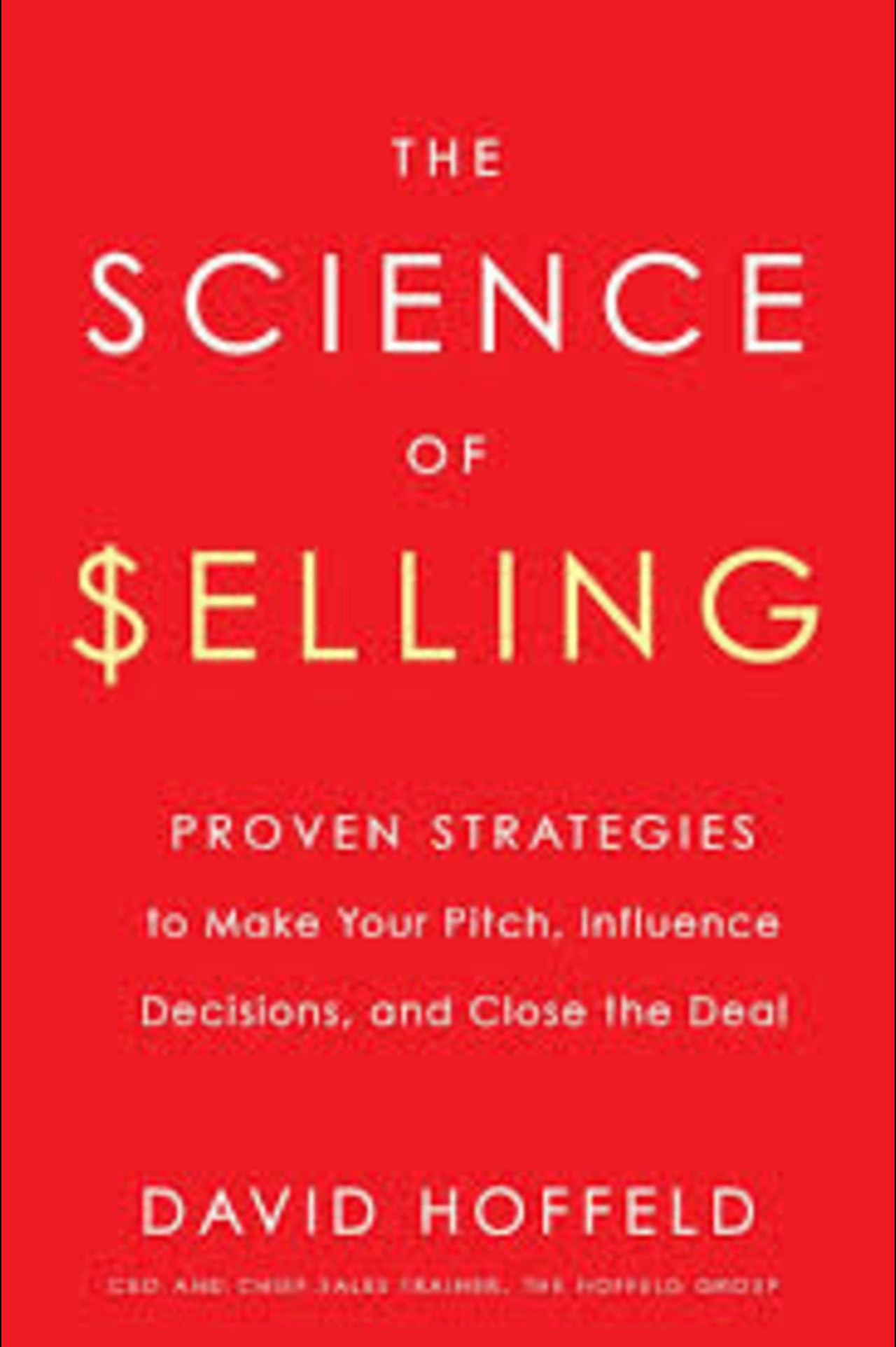
David Hoffeld’s The Science of Selling integrates neuroscience and behavioral psychology to offer a data-driven approach to sales. Hoffeld introduces concepts like the “Six Whys,” which help explain how the brain makes buying decisions.
By aligning sales techniques with the natural processes of the human brain, Hoffeld provides strategies that make it easier for prospects to say yes.
12. More Sales, Less Time
Goodreads Score
Author
3.86/5 Stars
Jill Konrath
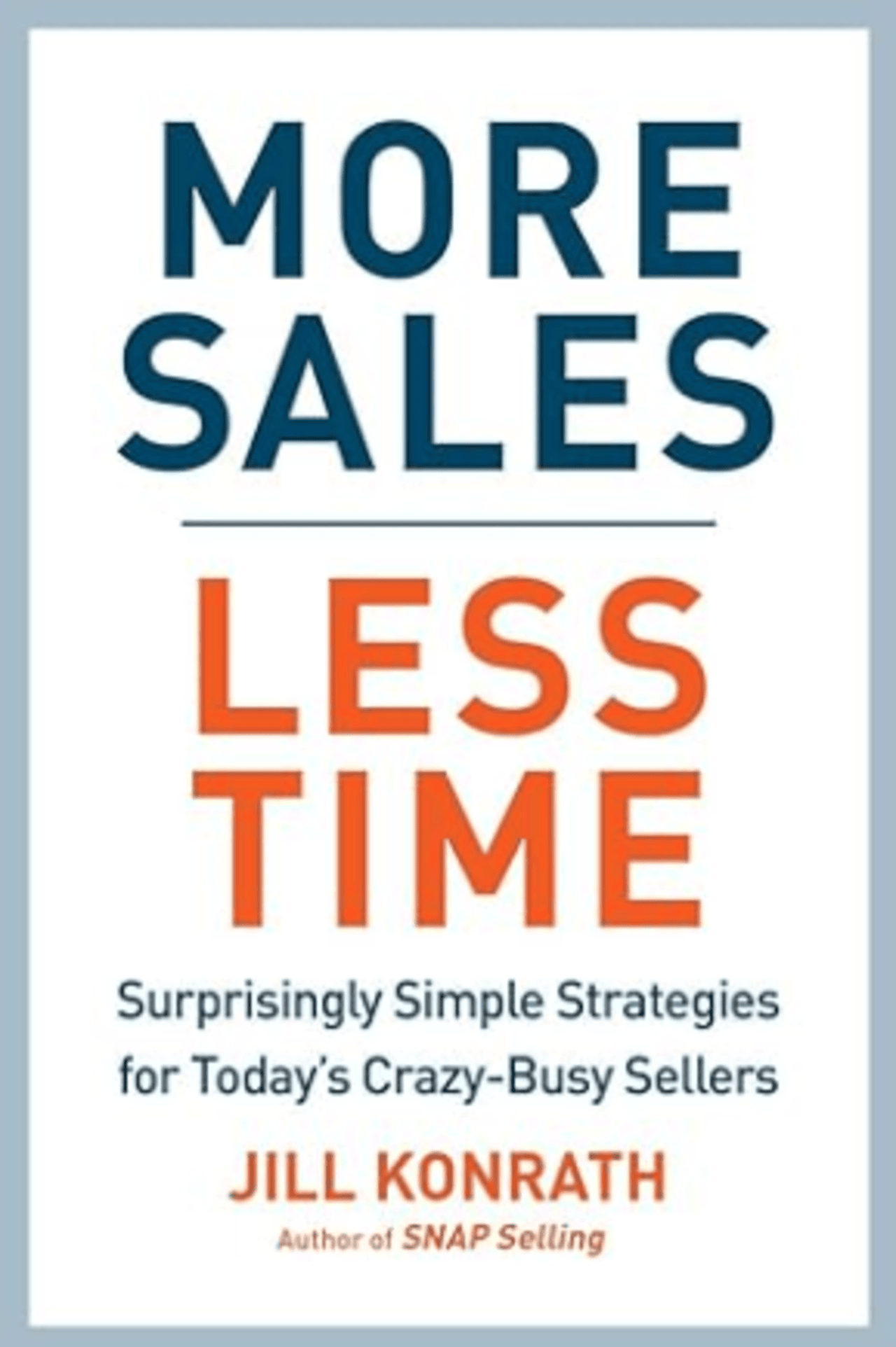
InMore Sales, Less Time, Jill Konrath tackles the time management issue for sales professionals. Konrath shares strategies to help readers boost productivity, minimize distractions, and focus on high-priority tasks.
By adopting her techniques, salespeople can achieve more in less time, allowing them to balance their workload effectively and close more deals.
Understanding the context in which your product is used can help you stand out in a crowded market and attract the right customers. That makes Obviously Awesome a strong sales book for entrepreneurs, especially if your biggest challenge is explaining why your product is the right choice.
14. MEDDICC: The Ultimate Guide to Staying One Step Ahead in the Complex Sale
The book emphasizes the importance of digital engagement and flexibility in a world that has shifted dramatically.
16. See You at the Top
Goodreads Score
Author
4.22/5 Stars
Zig Ziglar
Zig Ziglar’s See You at the Top focuses on the power of mindset, self-improvement, and personal discipline. Ziglar emphasizes that success in both sales and life comes from a mix of skills, knowledge, attitude, and consistent effort.
Through motivational stories and practical advice, he highlights perseverance, integrity, goal-setting, and service to others. For entrepreneurs, the value here is less about sales tactics and more about building the mindset needed to keep showing up.
17. The Four Agreements
Goodreads Score
Author
4.19/5 Stars
Don Miguel Ruiz
The Four Agreements is a personal development book rooted in Toltec wisdom, built around four principles for living and communicating with more intention: speak with integrity, don’t take things personally, don’t make assumptions, and do your best.
It’s not a sales book in the traditional sense, but the lessons apply directly to trust, communication, conflict, and relationship-building. For entrepreneurs, those skills can be just as important as tactics.
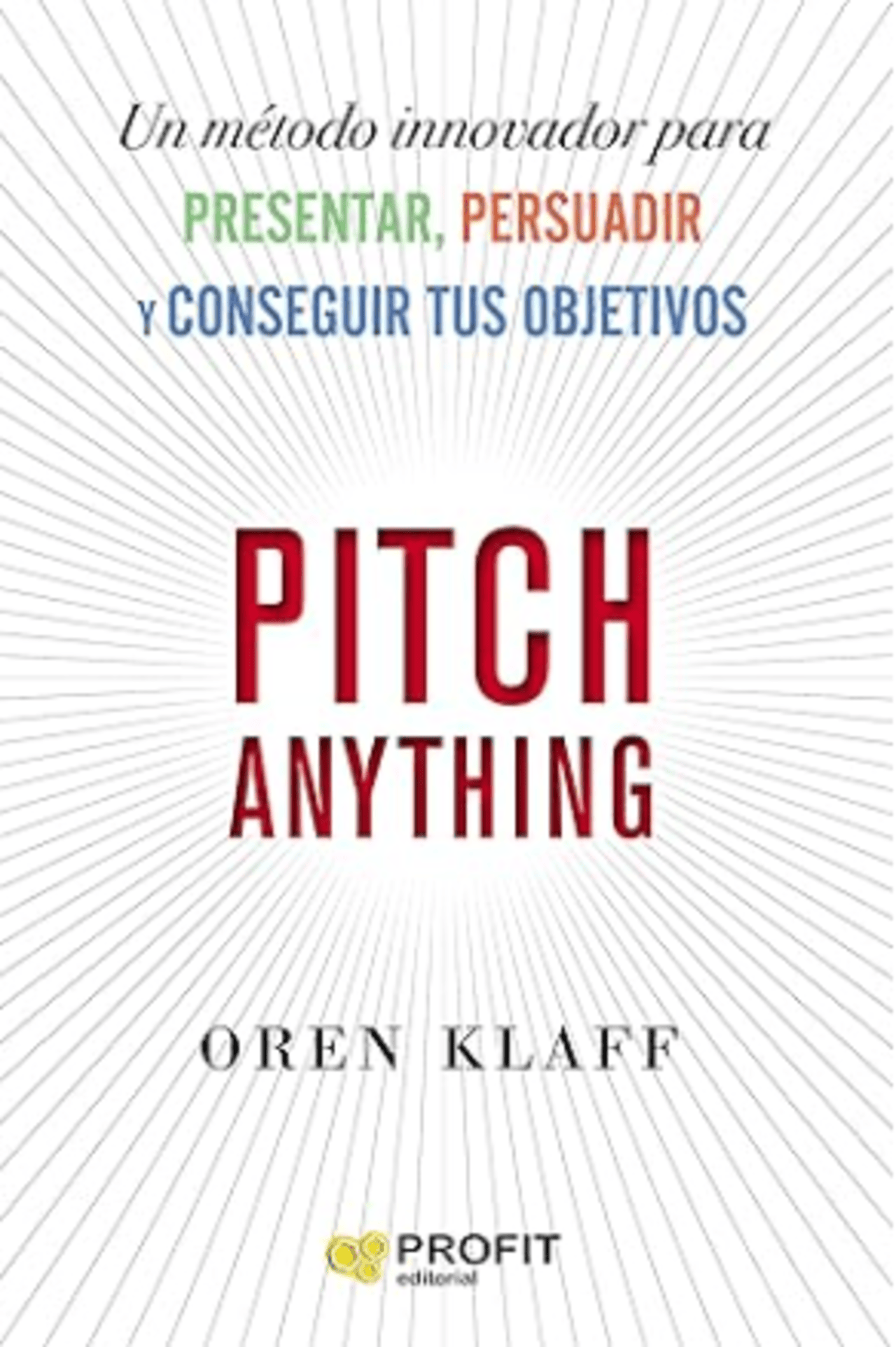
18. Pitch Anything
Goodreads Score
Author
4.12/5 Stars
Oren Klaff
In Pitch Anything, Oren Klaff introduces a novel method for pitching, using what he calls the STRONG framework (Setting the Frame, Telling the Story, Revealing the Intrigue, Offering the Prize, Nailing the Hookpoint, and Getting a Decision).
Klaff argues that effective pitching is less about presenting data and more about engaging the emotional, primal part of the listener’s brain, often called the “crocodile brain.” He teaches readers how to control the narrative and create a compelling frame that captures attention.
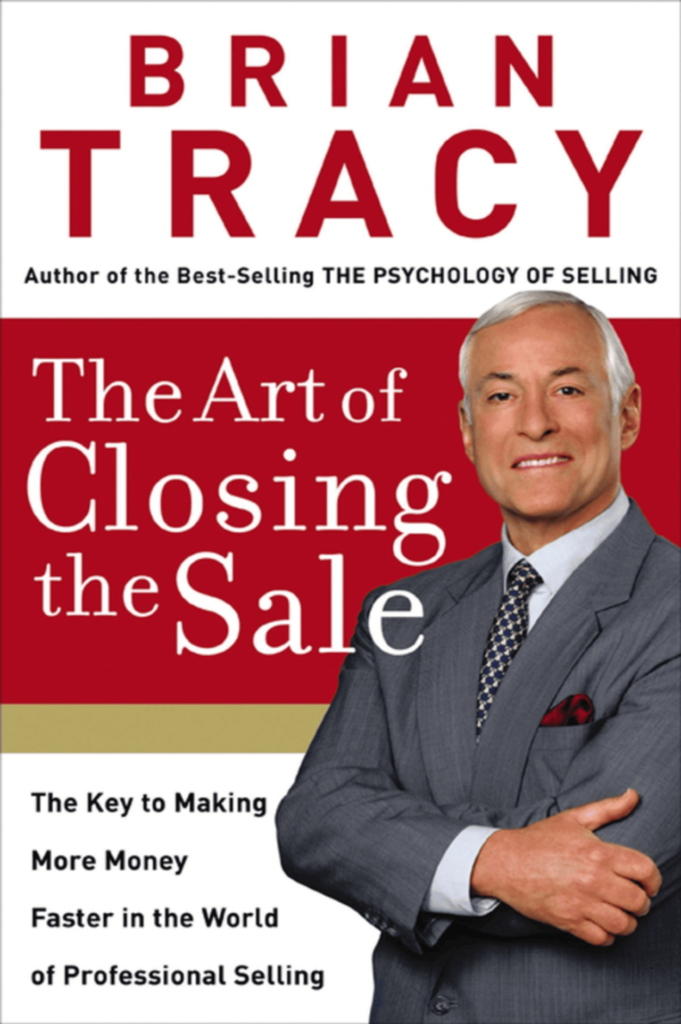
19. The Art of Closing the Sale
Goodreads Score
Author
4.15/5 Stars
Brian Tracy
Brian Tracy’s The Art of Closing the Sale is a comprehensive guide focused on mastering the critical skill of closing deals. Tracy outlines techniques for overcoming objections, building trust, and creating a reasonable sense of urgency that helps clients make a decision.
He emphasizes the psychological aspects of closing, offering tips on reading customer signals and tailoring the approach to individual needs.
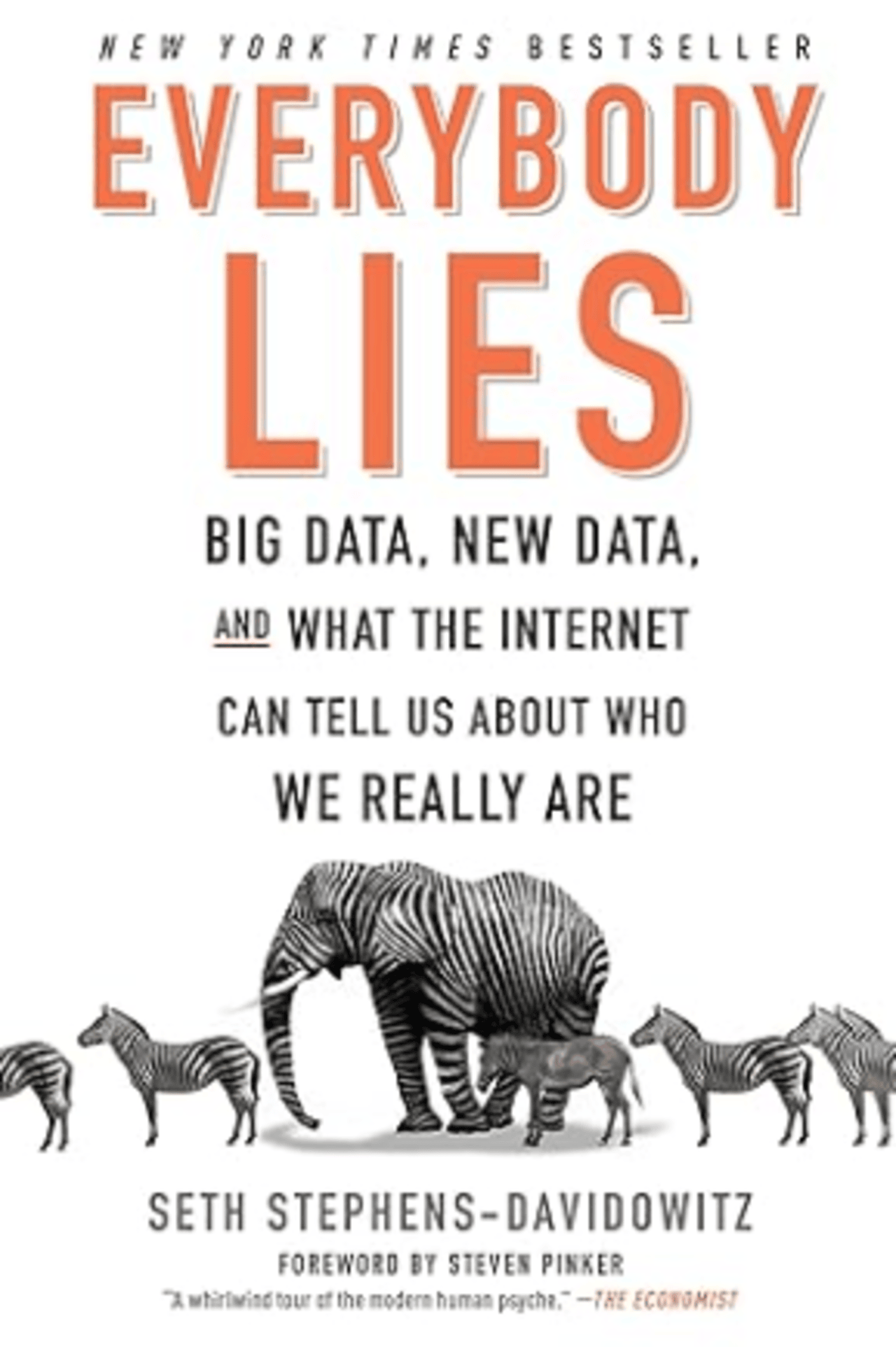
This isn’t a sales book in the traditional sense, but it can help entrepreneurs think more critically about customer behavior. The useful lesson is that what people say they want and what they actually do are not always the same.
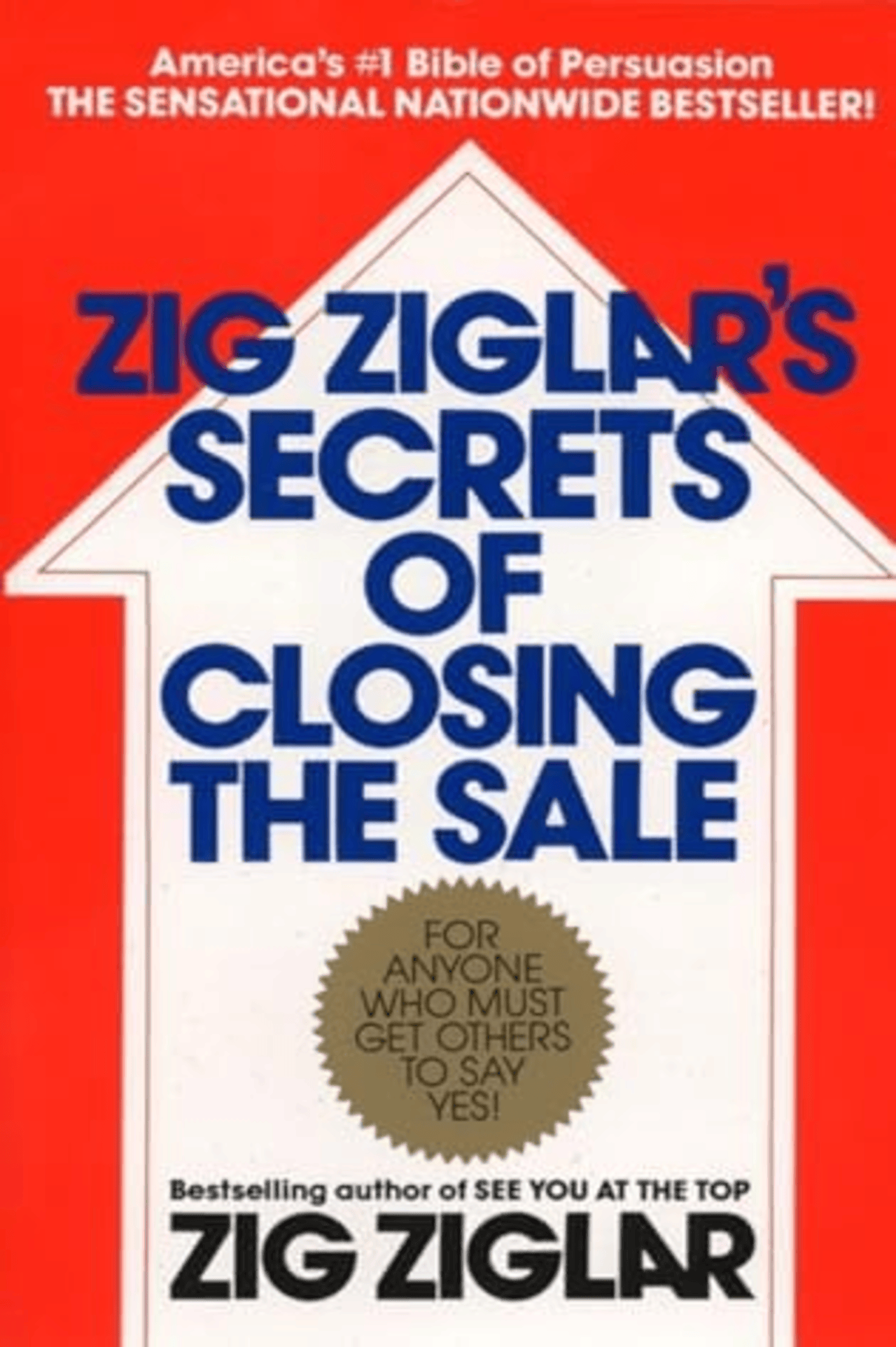
21. Zig Ziglar’s Secrets of Closing the Sale
Goodreads Score
Author
4.16/5 Stars
Zig Ziglar
In Secrets of Closing the Sale, Ziglar offers a deep dive into the techniques and psychology of closing. He shares numerous stories, examples, and questions that can help salespeople overcome objections and finalize deals.
Ziglar emphasizes the importance of believing in your product. His point is simple: if you wouldn’t recommend it to someone you care about, you probably shouldn’t sell it to anyone else.
Turning Sales Knowledge Into Pipeline
Sales books can sharpen how you think about conversations, objections, positioning, and buyer psychology. But once those ideas move into real outbound sales, teams still need good data behind the work. Finding the right prospects is only half the battle. Knowing exactly when and how to reach them is where deals are won.
That’s where the right sales intelligence tool can help. For example, ZoomInfo gives sales teams the intelligence they need to move faster and close smarter, combining deep B2B contact data with real-time buying signals so you’re never guessing who to call next.
ZoomInfo helps you identify decision-makers, understand their priorities, and engage at the right moment in their buying journey — whether you’re building your first outbound sequence or refining a high-volume prospecting engine. It’s the kind of edge that transforms a good sales book collection into actual pipeline.
Here are some practical things you can do to put those sales book lessons to work in a way that creates real conversations.
Define the Buyer You’re Trying to Reach
Even strong sales advice gets weaker when it’s aimed at the wrong buyer. Before applying a sales lesson to outreach, get specific about the buyer it should help you reach. What type of company is most likely to feel the problem you solve? Who inside that company usually owns the decision? What problem would make the conversation worth their time?
This keeps prospecting from turning into busywork. Instead of building a broad list and hoping something lands, you’re using the lessons from the books to narrow the field around buyers who are most likely to need what you sell.
Turn Sales Lessons Into Practical Criteria
A good sales book should change what you look for. For instance, SPIN Selling can help you think through the buyer’s situation, problem, implication, and need-payoff. MEDDICC can help you look for who controls the decision, how the decision gets made, what pain exists, who can champion the deal, and what measurable impact matters. The Challenger Sale can help you spot where a buyer may need a sharper point of view, not just another pitch.
The useful move is to turn those lessons into simple criteria. What makes an account worth pursuing? What information should you know before reaching out? What clues suggest the buyer has a real problem instead of mild curiosity or no urgency? Once the idea becomes a practical filter, it becomes easier to use consistently.
Look for the Right Timing Signals
A prospect can be a great fit and still be wrong for today. Timing is what turns a decent list into a stronger pipeline. Look for signs that something has changed inside the business. For example, hiring, expansion, funding, leadership changes, new product launches, vendor changes, public customer complaints, regulatory pressure, or other moves that suggest a new priority.
This is where sales knowledge starts becoming useful in the real world. Instead of reaching out because a company matches your ideal customer profile, you’re reaching out because there’s a timely reason the conversation may matter now.
Write Outreach Based on What the Buyer Actually Cares About
The first message should connect the buyer’s situation to a problem they already recognize, or one they have a clear reason to start thinking about. That’s where the reading starts to pay off. Better sales knowledge helps you ask sharper questions, frame the problem more clearly, and avoid generic outreach that sounds like it could have been sent to anyone.
A useful message doesn’t need to be long. It needs to show that you understand the buyer, the moment they’re in, and the business outcome they may care about. That’s how sales knowledge starts moving from theory into real conversations, and real conversations are what create pipeline.
The Greatest Sales Books: Final Thoughts
The best sales books do more than teach scripts, closing lines, or negotiation tactics. They help you understand people.
That’s the real advantage for entrepreneurs. When you understand how buyers think, what they value, what makes them hesitate, and what helps them trust you, selling becomes less about pressure and more about clarity.
Use this list as a working library, not a checklist. Pick one book that matches your current challenge, apply one idea in a real conversation, and pay attention to what changes.
Because better selling doesn’t come from reading more alone. It comes from reading, practicing, listening, adjusting, and showing up with more value the next time.
Tech Help Canada Staff researches, writes, and reviews practical content for business owners and professionals. Our coverage spans business, marketing, SEO, technology, and the tools and systems people use to grow and operate online. We focus on clear, useful information backed by research, hands-on experience, and editorial review. Learn more about our team and editorial standards. Need help with something? Contact Us