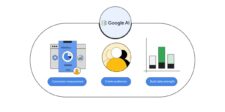
Google began rolling out its Invalid Traffic Overview Card in Google Ads on November 12, 2026, giving advertisers a consolidated view of the financial impact of its traffic protections.
Estimated savings and credits measure different things
The card appears on the Overview page within the Campaigns menu and reports on a selected date range. Google Ads Help describes the rollout as gradual, so some accounts may not have it yet.
Estimated savings: The estimated cost avoided when automated filters and proactive manual reviews catch invalid traffic before billing.
Credited cost: The amount credited back for invalid activity detected after the billing period ended.
Google’s Ads Decoded newsletter says the View details option opens a daily trend chart and campaign table, with CSV downloads and links to invoices where credits were applied. The newsletter also confirms availability in Search Ads 360 for Google Ads accounts.
Later credits do not update standard campaign metrics
The new card doesn’t change how the main Campaigns table handles closed months. According to Ads Decoded, standard metrics lock at month-end to match invoices, so later credits won’t update Cost or cost per acquisition (CPA) figures in that view.
For Search and Performance Max campaigns, the separate Invalid Activity Credit Report in Report Editor offers credit-adjusted metrics. That report predates the overview card, with Google listing it under April 2026 in its Search Partner Network announcements.
Google’s report documentation lists Adjusted cost, Adjusted clicks and Adjusted cost / conv. among the available measures. Adjusted cost is the invoiced campaign cost minus the invalid-activity credit.
Ads Decoded says the report maps credits back to the dates the ads ran, even when those credits were issued later.
The documentation also distinguishes invalid traffic from the broader category of invalid activity. The latter can include interactions on inventory later determined to violate AdSense Program policies, alongside fraudulent, accidental or duplicate clicks.
The card is not a lead-quality audit
Google cautions that filtering invalid ad interactions cannot prevent every fake lead. Its help documentation says bots or users can still submit forms even when an ad interaction is identified as invalid.
The company also keeps specific detection methods and invalid-traffic sources confidential to prevent evasion. Taken together, those limits make the card a record of Google’s own detection and billing adjustments rather than an independent audit of all fraud affecting an advertiser.
Separately, Google said in its November 12 announcement that system upgrades had reduced advertiser exposure to invalid leads by an average of 30% so far in 2026. The announcement attributes that result to ongoing upgrades, not the reporting card, and does not set out a baseline or measurement method.
Get new small business insights by email
Practical ideas and useful articles to help you make better business decisions.
Tech Help Canada Staff researches, writes, and reviews practical content for business owners and professionals. Our coverage spans business, marketing, SEO, technology, and the tools and systems people use to grow and operate online. We focus on clear, useful information backed by research, hands-on experience, and editorial review. Learn more about our team and editorial standards. Need help with something? Contact Us