Updated Nov. 2, 2026: The immediate strike threat at the Ports of Los Angeles and Long Beach has been pushed back, but the labor dispute is not resolved.
The Pacific Maritime Association and International Longshore and Warehouse Union Local 26 signed a short contract extension through 5 p.m. Pacific Time on Wednesday, Nov. 4, according to Bloomberg and gCaptain reports citing PMA’s Oct. 30 statement. The extension delayed a possible walkout that had been threatened for Nov. 1 and keeps negotiations running with help from the Federal Mediation and Conciliation Service.
The issue is not just the size of the bargaining unit
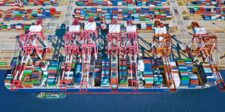
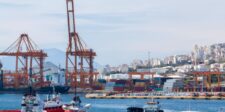
The dispute involves about 250 maritime watchmen who handle terminal security-related work across the Los Angeles–Long Beach port complex. PMA says Local 26 members work at terminals handling roughly 85% of cargo moving through the Port of Long Beach and 33% through the Port of Los Angeles.
Local 26’s watchmen are stationed at terminal gates and other secure areas, where they help control access, inspect truck and employee entries, provide terminal security and guard cargo crossing the docks. PMA has warned that other ILWU longshore workers and marine clerks, who are not party to this dispute, are not expected to cross Local 26 picket lines if a strike begins.
The broader coastwide ILWU agreement covering longshore workers and marine clerks runs through 2028, according to FreightWaves. This dispute is tied to Local 26’s separate watchmen agreement, which PMA says expired in July 2025 while workers continued under extensions.
Record cargo volumes make the timing sensitive
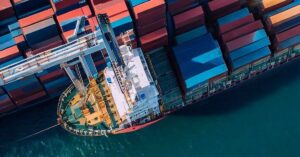
The negotiations are taking place during an unusually heavy cargo period for the San Pedro Bay complex. The Port of Los Angeles said it handled 1,042,652 TEUs in September, the busiest month in its 118-year history. It also said nearly 3 million TEUs moved across its docks from July through September, the port’s busiest quarter on record.
Long Beach also reported a record September. Port officials said the port handled 997,177 TEUs, up 25% from September 2025, according to Long Beach Post and FreightWaves reports based on the port’s figures.
Taken together, the two ports moved about 2.04 million TEUs in September. Pacific Merchant Shipping Association data for September showed local truck dwell at 3.18 days and rail dwell at 7.19 days, both higher than August, as terminals worked through record peak-season volumes.
The likely impact would depend on picket lines and terminal response
No strike had begun as of Monday, Nov. 2, and the ports remained open. If talks fail after the new deadline, the impact would depend on where picket lines are set, whether other ILWU workers refuse to cross them, and how affected terminals handle vessel, yard and gate activity.
Logistics providers have been warning customers about possible terminal access restrictions, slower container pickup and delivery, and added inland transportation delays. Those warnings are cautious rather than confirmation that cargo has stopped.
The Port of Long Beach has said it is not a party to the negotiations and that port-wide security through Harbor Patrol and the Long Beach Police Department continues during talks. The Port of Los Angeles has urged the parties to continue negotiating toward a mutually acceptable resolution, according to FreightWaves.
The business risk is concentrated at a few choke points
For e-commerce operators, retailers and companies waiting on imported equipment, the main risk is not a formal closure of the entire port complex. It is interruption at terminals that handle a large share of cargo, followed by knock-on delays in appointment availability, rail movement, container release and storage costs.
That risk is especially relevant because September cargo included holiday retail goods, auto parts and equipment tied to AI data center construction, Reuters reported. A short stoppage would still need time to unwind if containers miss vessel, gate, rail or inland trucking windows.
What to watch next
The next material update is whether PMA and Local 26 announce a tentative agreement, another extension or a strike after the current extension expires.
For businesses tracking cargo through Southern California, terminal advisories and carrier notices are likely to be more useful than broad port-level headlines. Shipment-specific risk will depend on terminal, carrier and inland transportation status.

I can suggest related Tech Help Canada articles based on the topic you’re reading now.

Tech Help Canada Staff researches, writes, and reviews practical content for business owners and professionals. Our coverage spans business, marketing, SEO, technology, and the tools and systems people use to grow and operate online. We focus on clear, useful information backed by research, hands-on experience, and editorial review. Learn more about our team and editorial standards. Need help with something? Contact Us