AI didn’t suddenly move beyond the chat window. That shift started earlier. OpenAI rolled out ChatGPT plugins in 2023. Microsoft announced Copilot across Word, Excel, PowerPoint, Outlook, and Teams in March 2023. Google and Notion have both been building AI deeper into their products for a while, too.
What changed recently is not the direction. It’s the pace, the depth, and the visibility of the shift.
Google pushed Gemini further into Docs, Sheets, Slides, and Drive. OpenAI launched ChatGPT for Excel and paired it with new financial data integrations. Notion added GPT-5.4 to its model picker and rolled out native AI image generation inside the product.
Taken one by one, these look like product updates. Taken together, they say something bigger. Embedded AI is becoming more normal inside the software people already use to run everyday work.
The Latest Moves by Companies
The Google Workspace push goes beyond basic writing help. Gemini can now help create documents from files and emails, build and edit spreadsheets from prompts, generate slides that match a deck’s style, and answer questions across files in Drive. In other words, Google is trying to make AI less of a separate destination and more of a built-in layer across the suite itself.
OpenAI’s move points in the same direction. ChatGPT for Excel is designed to help users build, update, and analyze spreadsheets faster within a tool that many businesses already rely on. At the same time, OpenAI introduced new financial data integrations aimed at research, valuation, underwriting, and other work that depends on bringing together multiple sources.
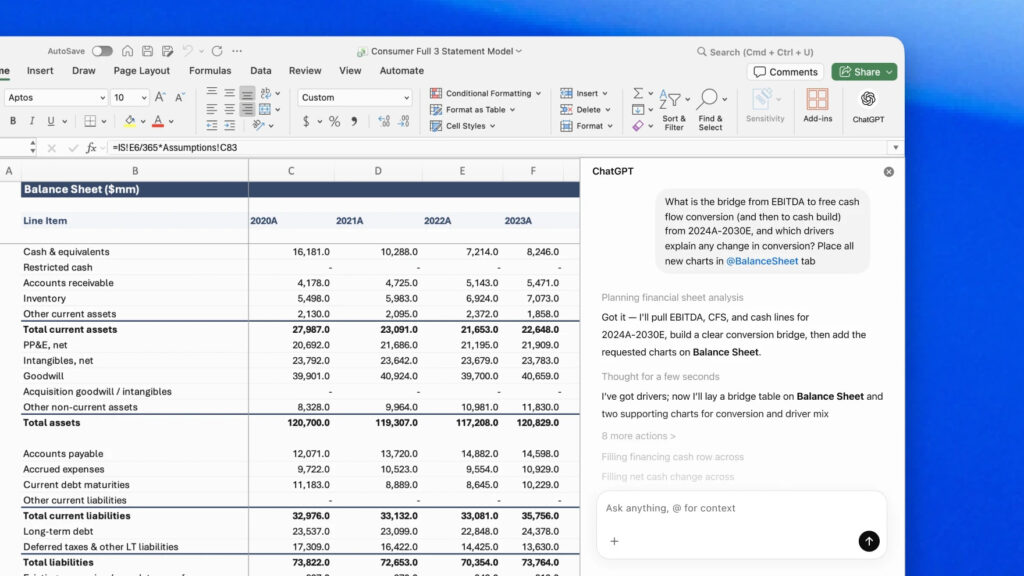
The message is clear enough. OpenAI doesn’t just want to be a chatbot people visit. It wants to be part of the work itself.
Notion’s updates matter for the same reason. Adding GPT-5.4 to the model picker strengthens the product for heavier knowledge work. Adding native image generation makes Notion more self-contained for teams that create documents, visuals, and internal materials in one place.
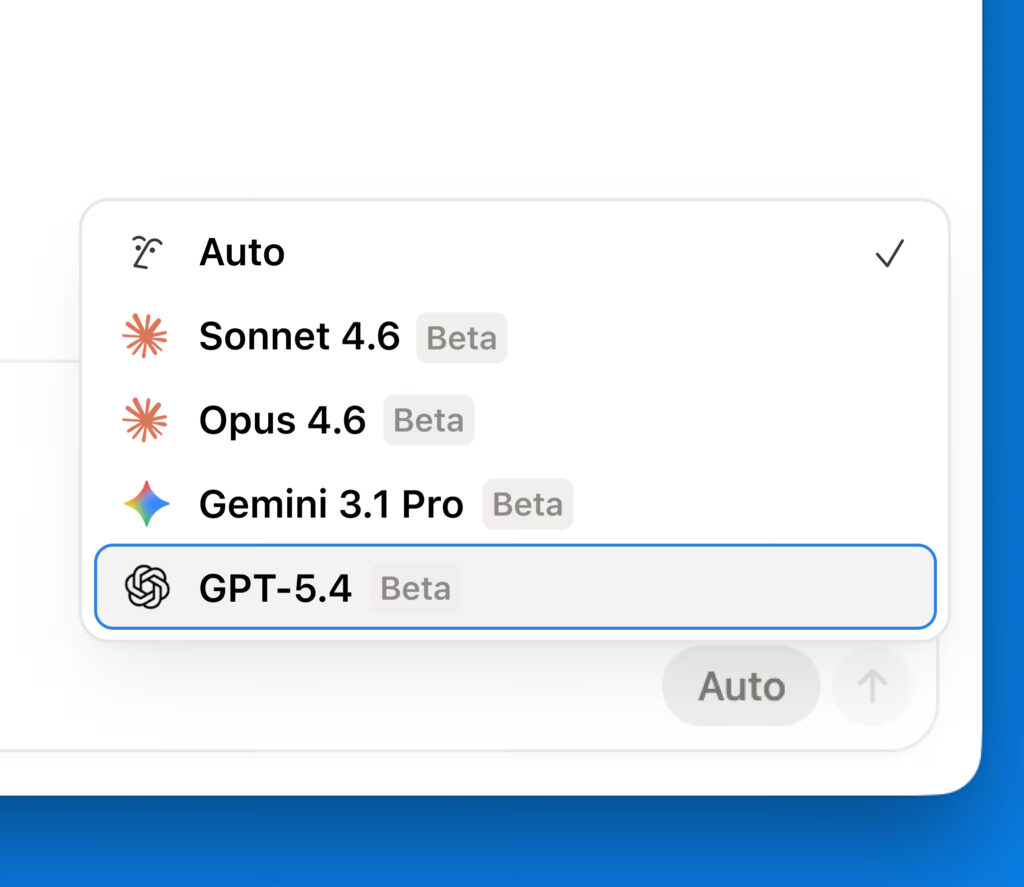
That’s another sign that AI is becoming more useful when it’s built into the workflow, not parked outside it.
Why This Matters More Now
The most important part of these releases is not which company shipped the flashiest feature. It’s that the competition is heating up inside everyday work software.
For a while, much of the public AI conversation focused on the model itself. Which one reasons better? Which one writes better? Which one feels smarter? That all still matters, but it’s no longer the whole story.
A strong model sitting outside the workflow can still create friction. Users have to leave their files, move context around, copy and paste information, and then bring the results back to where the main work lives.
The battle is moving closer to the documents, spreadsheets, decks, and internal knowledge that teams already work with all day. Once AI is built directly into those surfaces, the value is not just intelligence. It’s convenience, continuity, and context.
This is also where distribution starts to matter even more. A company that owns the workspace already has a natural advantage. It can embed AI into existing habits. That makes adoption easier and makes the feature feel less like an experiment.
What It Could Mean for Businesses
For businesses, this could make AI feel less optional over time. Not because every tool suddenly becomes amazing, but because the friction keeps dropping. When AI is already sitting inside the apps a team uses every day, the barrier to trying it gets smaller. So does the barrier to relying on it.
That’s good news for speed. A document that starts faster, a spreadsheet that takes less setup, or a presentation that comes together with less manual work can save real time. In finance, operations, client service, and knowledge-heavy work, those gains can add up quickly.
But there’s another side to it. The more useful AI becomes inside a specific suite, the more strategic that suite becomes. Choosing a workplace tool may increasingly mean choosing an AI environment at the same time. That can strengthen platform lock-in, especially when the assistant can see files, emails, calendars, or internal data.
It also pushes governance questions closer to the center. If these systems are working across more business contexts, then retention, permissions, oversight, and data access stop being side issues. They become part of the product decision.
That doesn’t mean every company will treat these tradeoffs the same way. A small team that wants speed may see the upside first. A larger organization with more sensitive data may feel the tension faster. But either way, the decision is becoming less about whether AI matters and more about where it lives.
Who Feels This First
| Group | Why They May Feel It Early |
|---|---|
| Small teams and operators | Their work already lives inside docs, spreadsheets, decks, shared folders, and internal notes, so embedded AI lands closer to the actual work than a standalone assistant does. |
| Agencies and service businesses | Their output often depends on moving between research, planning, writing, analysis, and presentation, so the appeal is clear when those tasks get easier inside the same environment. |
| Finance and operations teams | Spreadsheet work is where small efficiency gains can turn into meaningful time savings, especially when AI helps with setup, analysis, and updates inside the spreadsheet itself. |
What to Watch Next
The next thing to watch is whether embedded AI becomes less of a premium extra and more of a baseline expectation inside paid workplace software. That would be a meaningful shift because it would turn AI from a special feature into part of the normal product layer.
It’s also worth watching whether businesses start caring less about the raw model brand and more about the built-in workflow advantage. A model can be excellent on paper, but if another tool is easier to use inside the apps your team already opens every morning, that advantage may matter more in practice.
And then there’s the question underneath all of this. As assistants get deeper access to work materials, governance may become a stronger competitive differentiator. The company that makes AI useful will matter. The company that makes it manageable may matter just as much.
The Bigger Shift
The most interesting part of all this may be that the winning AI products don’t need to feel futuristic forever. Over time, the strongest position may belong to the tools that become boring in the best sense of the word. They are simply there, inside normal work, speeding things up without forcing people to think about switching contexts all day.
That’s usually when a technology stops feeling like a novelty and starts acting like infrastructure.
This is why the latest wave matters. Not because embedded AI is new, but because it’s starting to look more like a standard layer in the software people already depend on to get real work done.
Sources:
- https://blog.google/products-and-platforms/products/workspace/gemini-workspace-updates-march-2026/
- https://openai.com/index/chatgpt-for-excel/
- https://www.notion.com/releases/2026-03-06

We empower people to succeed through practical business information and essential services. If you’re looking for help with SEO, copywriting, or getting your online presence set up properly, you’re in the right place. If this piece helped, feel free to share it with someone who’d get value from it. Do you need help with something? Contact Us
Want a heads-up once a week whenever a new article drops?