

Behind every click, cart, and conversion is a feeling. People buy what makes them feel seen, safe, inspired, or even a little rebellious, and marketers who understand those emotional cues consistently outperform those who rely on logic alone.
The most effective campaigns aren’t just clever, they’re felt.
In this guide, you’ll learn which emotional triggers drive action, how to use them responsibly, and how they shape better marketing that sticks.
What Are Emotional Triggers in Marketing?
Emotional triggers are psychological cues that spark feelings and push people to act, often faster than logic ever could. They tap instincts such as fear, desire, trust, and belonging, shaping how consumers perceive value and urgency.
Emotion plays a major role in how people respond to ads and make buying decisions — often before they’ve fully reasoned it out. Marketers who align their messaging with these impulses create instant connections that skip rational hesitation.
And it’s all backed by real data. In a Nielsen analysis using EEG-based measures, ads with above-average emotional response were associated with about a 23% lift in sales volume versus an average ad for that brand.
These triggers, when used strategically, turn marketing into memory and interest into intent. By weaving scarcity, social proof, or vivid storytelling into campaigns, brands activate the right feelings at the right moment and turn attention into profitable action.
10 Emotional Triggers That Influence Customer Buying Behavior
Emotions shape every stage of the buyer’s journey, often more than logic or price. When marketers tap the right emotional triggers, they turn passive interest into decisive action, without relying on gimmicks or manipulation.
1. Fear of Loss
Loss aversion pushes shoppers to guard what they already have, making a vanishing deal feel urgent and personal. Countdown timers, limited-stock banners, and disappearing bonuses tap this instinct by framing delay as a direct threat to value.
When the mind senses potential loss, it shifts from exploration to quick decision, cutting the usual deliberation loop.
Marketers amplify this trigger through transparent scarcity – real inventory counts and clear deadlines keep urgency credible while accelerating conversions.
Use fear of loss carefully to avoid backlash. Tie deadlines to genuine operational constraints such as seasonal changeovers or production limits.
Reinforce value with concise reminders of what disappears if action stalls, like a complimentary add-on or locked-in price. Authentic scarcity turns hesitation into momentum without sacrificing long-term trust.
Ex: Booking.com uses real-time alerts like “Only 1 room left at this price” and “Booked 5 times today” to create urgency and accelerate decision-making. These scarcity cues consistently reduce hesitation and increase conversion rates.
2. Trust
Trust lowers perceived risk, turning curiosity into confident action. Secure payment icons, transparent shipping policies, and verified reviews assure buyers that promises align with outcomes.
Consistency across every channel – website, social feeds, support emails – cements the sense that the brand is dependable. When reassurance feels effortless, shoppers relax their guard and proceed willingly.
Build trust by showcasing real customer stories with names, photos, and specific results. Keep site performance flawless since glitches suggest unreliability. Align marketing claims with fine-print details so no expectation gaps emerge post-purchase.
Each seamless touchpoint layers confidence, transforming first-time buyers into repeat customers who advocate for the brand.
Ex: Shopify features merchant case studies and verified reviews to build trust with potential store owners. Its consistent, transparent messaging supports credibility at every stage of the user journey.
3. Belonging
Belonging fulfills the human need to connect with like-minded individuals, turning a purchase into a passport to community. Member-only groups, branded hashtags, and insider events create spaces where customers feel recognized and valued.
This shared identity shifts the relationship from transactional to relational, heightening loyalty. When people see themselves reflected in a brand’s community, retention rises naturally.
Cultivate belonging by inviting user-generated content and highlighting diverse voices. Offer early access or limited drops to active members, rewarding engagement over spend. Respond publicly to feedback, signaling that every contribution shapes the brand story.
A vibrant community becomes a moat competitors struggle to replicate, keeping customers anchored and enthusiastic.
Ex: Peloton fosters community through its member leaderboard, group challenges, and shout-outs during live classes. This social connection encourages retention and positions the brand as more than just fitness equipment.
4. Desire
Desire fuels the emotional leap from need to want, urging people toward an improved version of themselves. Marketing that sparks desire often taps into lifestyle, status, or transformation – think glowing visuals, benefit-led copy, and aspirational storytelling.
When customers picture their future self with the product, they start moving mentally toward ownership. This emotional investment softens price sensitivity and speeds up decision-making.
To activate desire, spotlight outcomes, not features. Use imagery and language that make benefits feel personal and achievable.
Align your message with the customer’s aspirations, not your product’s specs. The stronger the emotional pull, the less friction stands in the way of action.
Ex: Apple showcases sleek product visuals and lifestyle-driven ads that highlight aspirational living, not just technical specs. Their marketing positions each product as a symbol of creative and personal empowerment.
5. Curiosity
Curiosity creates tension, a mental itch that needs resolution. Headlines that leave something out, visuals that hint but don’t reveal, or products wrapped in mystery grab attention fast.
When curiosity is piqued, engagement naturally follows, guiding people to click, scroll, or explore just to “find out.” It’s one of the most effective triggers for top-of-funnel engagement.
Use curiosity to draw people in, then reward it with real substance. Avoid bait tactics that overpromise and underdeliver, they erode trust. Instead, pair intrigue with relevance: give just enough to make the next step irresistible.
Done right, curiosity leads to discovery and deepens brand connection.
Ex: Netflix leverages curiosity with auto-playing trailers and ambiguous thumbnails that tease content without giving it away. This keeps users engaged and drives longer session times.
6. Guilt
Guilt works by highlighting a gap between belief and behavior, nudging people to align their actions with their values. It’s especially effective in cause-based marketing, sustainability campaigns, or donation-driven brands.
When framed positively, guilt can motivate action without shaming – making the buyer feel empowered rather than judged. It transforms the purchase into an act of doing good.
Apply guilt ethically by focusing on the impact of support rather than the consequence of inaction. Use real-world results, transparent outcomes, and empowering language.
Reinforce that even small actions make a difference. The goal is to inspire meaningful participation, not pressure compliance.
Ex: TOMS uses guilt-triggering messaging by emphasizing the positive social impact of each purchase, such as providing shoes to children in need. This approach turns buying into a form of contribution.
7. Validation
Validation taps into the emotional need for recognition and approval. Buyers want to feel that their choices reflect intelligence, taste, or status – and great marketing affirms that.
Whether it’s highlighting “most loved” products, showcasing user achievements, or displaying exclusive badges, validation strengthens self-perception.
When customers feel validated, they’re more likely to share their decision and stick with the brand that made them feel seen.
To use this trigger effectively, acknowledge your audience’s preferences through tailored recommendations and milestone-based rewards. Highlight expert endorsements or community praise to back up their decision.
Use messaging that makes the customer the hero of the story, not just the recipient. A validated customer becomes a loyal customer – and often a vocal one.
Ex: Sephora rewards top reviewers with badges like “Beauty Insider” and highlights them in community forums. This recognition drives engagement and reinforces expertise within their audience.
If you want help brainstorming emotion-forward angles (without getting cheesy), HelperX Bot can generate a few variations you can edit into your brand voice.
8. Hope
Hope drives action by presenting a clear path from problem to solution. It’s not just about selling a product – it’s about offering a better version of the future.
Brands that tap into hope frame themselves as partners in progress, helping customers move from frustration to relief, or from stagnation to transformation. Hope uplifts and empowers, creating emotional clarity that fuels purchase decisions.
Use hope-driven messaging to highlight real outcomes and achievable change. Pair before-and-after content with honest storytelling that inspires without exaggerating.
Be specific about the journey and guide the customer toward it with confidence. When hope is grounded in reality, it turns browsers into believers.
Ex: Noom appeals to hope by showing user success stories and personalized progress tracking in its weight-loss app. The brand promises sustainable change through a guided, human-centered journey.
9. Anticipation
Anticipation builds momentum by stretching emotional investment across time. It keeps customers engaged before, during, and after a launch through strategic teases, waitlists, and countdowns.
This emotional pacing creates excitement without relying on discounts or gimmicks. People who anticipate something feel more committed to acting once it becomes available.
Leverage anticipation with a clear communication plan: pre-launch teasers, milestone reveals, and insider updates. Offer early access or behind-the-scenes previews to increase engagement.
Space out reveals to maintain excitement and avoid burnout. When timed right, anticipation drives energy and urgency at the moment it matters most.
Ex: Supreme builds anticipation through unannounced product drops and limited releases. Fans often queue for hours or monitor drops online, increasing perceived exclusivity and demand.
10. Pride
Pride motivates buyers to showcase achievements, taste, and identity through their purchases. Luxury packaging, artisan craftsmanship, and share-worthy unboxing moments make customers feel distinguished and accomplished.
When a product signals status or excellence, ownership becomes part of a personal victory story. This emotional reward often outweighs price considerations, turning a purchase into a badge of honor.
To harness pride, emphasize distinctive quality – heritage materials, award-winning design, or expert endorsements bolster perceived prestige. Encourage social sharing with elegant visuals, branded hashtags, or referral perks that let customers display their good taste.
Feature customer spotlights celebrating how they use or wear the product, reinforcing the pride loop. A brand that makes people feel elevated earns loyalty and word-of-mouth advocacy that money can’t buy.
Ex: Tesla taps into pride by emphasizing innovation, eco-conscious ownership, and cutting-edge tech. Owners are often seen as forward-thinking leaders, which reinforces their emotional connection to the brand.
How to Embed Emotional Triggers in Your Product Marketing
Emotional triggers only work when they match audience motivations and brand truth. Here are a few ways to weave emotional triggers into campaigns without compromising credibility.
1. Map Audience Emotions
Start with qualitative research – interviews, social listening, support tickets—to uncover feelings driving purchase decisions. Cluster insights into core motivators such as security, aspiration, or belonging.
Prioritize triggers that align with your product’s strengths and target segment needs. Avoid assumptions; base every decision on documented patterns.
Pro Tip: Use empathy maps to visualize how customers think, feel, say, and do around your offer. This snapshot guides creative teams in selecting relevant emotional angles.
2. Align Triggers with Value Proposition
Match each emotional driver to a specific product benefit so messaging feels organic. If fear of loss surfaces, pair it with genuine scarcity like a limited batch or feature sunset.
When belonging dominates, emphasize community access or peer collaboration tools. Consistency between trigger and feature prevents cognitive dissonance.
Emotionally aligned messaging only works when your data supports it.
HubSpot’s Marketing Hub (and CRM data) can help you segment audiences and automate messaging based on lifecycle stage and behavior.
Pro Tip: Build a simple matrix linking emotional triggers to features, proof points, and desired actions. Share it across teams to keep campaigns cohesive.
3. Craft Messaging and Visuals
Translate the chosen trigger into copy, imagery, and design elements that evoke the intended feeling instantly. Use vivid language and sensory visuals to make abstract benefits tangible.
Keep paragraphs tight and CTAs clear to guide momentum. Test tone variations to ensure emotion resonates without exaggeration.
For emotionally resonant email campaigns, MailerLite’s drag-and-drop email builder and automation make it easier to keep tone + pacing consistent across a sequence.
Use emotion-specific sequences – like hope-based welcome emails or curiosity-led launch alerts – that deepen audience connection from the first touchpoint.
Pro Tip: Create a style board showing mood, color, and typography linked to each trigger. It accelerates design alignment and preserves emotional consistency across channels.
4. Test and Iterate
Launch A/B tests comparing emotional variants against neutral control versions. Monitor click-through, time on page, and scroll depth to gauge engagement.
Collect qualitative feedback through quick polls or chatbots to understand subjective reactions. Iterate fast on winning elements, retiring cues that underperform or feel forced.
Visual storytelling plays a huge role in emotional engagement, especially on social media.
Tailwind’s smart scheduler and engagement analytics for Pinterest and Instagram help you test emotional visuals (like pride, hope, or validation)—and compare which creative angles earn more saves, clicks, and engagement over time.
Pro Tip: Include a small open-text field after purchase asking, “What made you act today?” Those responses validate which emotions landed.
5. Measure Impact and Optimize
Track post-launch metrics like lift in conversion rate, average order value, and repeat purchase frequency. Attribute changes to specific emotional triggers using cohort or tag-based analysis.
Watch for warning signs, high return rates or negative sentiment, that signal manipulative overreach. Refine trigger intensity until it drives results while maintaining trust.
Pro Tip: Set quarterly reviews to compare trigger performance over time. Emotional resonance shifts with market conditions, so stay agile and ready to recalibrate.
Final Take: Emotion Is the Competitive Edge You Can’t Ignore
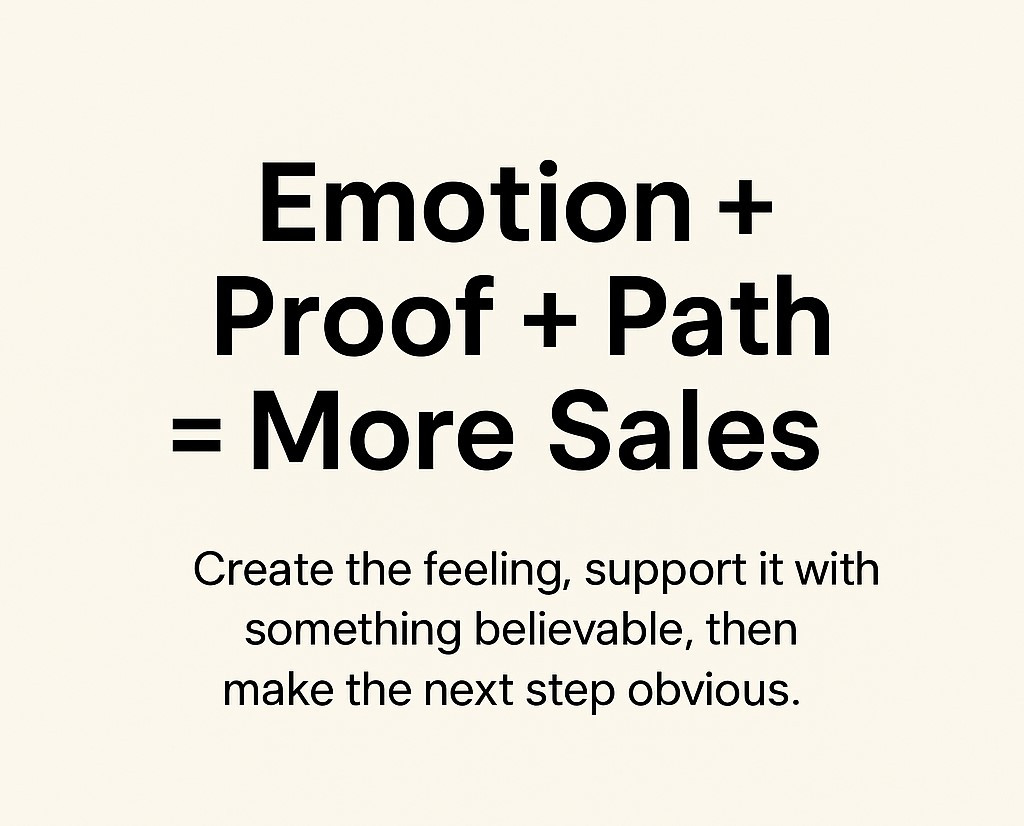
Emotion works best when it’s paired with proof. If your copy pulls a strong feeling but your page doesn’t back it up with specifics (examples, policies, reviews, clarity), that emotion turns into skepticism fast.
A simple lens you can keep in mind: Emotion, Proof, and Path (EPP). Create the feeling, support it with something believable, then make the next step obvious. That’s how emotional triggers stay persuasive without crossing into gimmicks.
Frequently Asked Questions
The most effective emotional triggers in product marketing include fear of loss, trust, belonging, desire, and anticipation. Each one connects to a different buyer motivation and should be matched carefully to your product and audience.
Yes, emotional triggers work in B2B when aligned with business outcomes like trust, credibility, and pride in decision-making. B2B buyers are still people – they respond to relevance, validation, and confidence like any consumer.
You can test emotional triggers by running A/B variations of headlines, visuals, or offers and tracking performance metrics like click-through rate or time on page. Pair data with post-action feedback to validate which emotions made the biggest impact.
Source:
- https://develop.nielsen.com/wp-content/uploads/sites/2/2019/04/nielsen-featured-insights-when-emotions-give-a-lift-to-advertising.pdf

I can suggest related Tech Help Canada articles based on the topic you’re reading now.

Tech Help Canada Staff researches, writes, and reviews practical content for business owners and professionals. Our coverage spans business, marketing, SEO, technology, and the tools and systems people use to grow and operate online. We focus on clear, useful information backed by research, hands-on experience, and editorial review. Learn more about our team and editorial standards. Need help with something? Contact Us