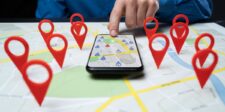
Local SEO helps your business appear when people search for products, services, or places in a specific area. It supports searches such as dentist near me, emergency plumber Ottawa, bookkeeper for small business Toronto, coffee shop open now, and wedding photographer Vancouver.
Local SEO is different from general SEO because location is part of the search intent. The searcher may want directions, hours, a phone number, reviews, nearby availability, service areas, or proof that the business understands the local market.
If you want tactical examples after this overview, Tech Help Canada has a restaurant-focused article with local SEO tips that apply to many other local businesses too. Tech Help Canada’s article on the benefits of local SEO can also help you compare local SEO with other marketing priorities.
Who Needs Local SEO
Local SEO is useful for businesses and organizations that serve customers in a defined geographic area. That includes storefront businesses, service-area businesses, professional firms, multi-location companies, local creators, venues, schools, nonprofits, and community organizations.
You do not always need a storefront. A plumber, mobile mechanic, housekeeper, consultant, or photographer can still use local SEO if the business serves customers in specific cities or regions. The strategy changes depending on whether customers visit you, you visit them, or both.
The common thread is local intent. If customers choose you partly because of where you are, where you work, or how well you know the area, local SEO belongs in the marketing plan.
How Local Search Works
Local search results are influenced by how well your business matches the query, how close it is to the searcher or searched location, and how well-known or trusted the business appears to be.
Relevance is the match between the search and the business. If someone searches for family dentist in Mississauga, search engines need to understand that you are a dentist, that you provide family dentistry, and that you serve Mississauga.
Distance is the relationship between the searcher, the searched location, and the business. If someone searches coffee near me, proximity can be a major factor. If someone searches corporate lawyer Toronto, proximity may still matter, but specialization, reputation, and helpful content may also carry weight.
Prominence is how established and trusted the business appears. Reviews, links, mentions, directory listings, local media coverage, brand searches, and offline reputation can all contribute to that picture.
You cannot make your business physically closer than it is. You can make your real location, service area, business type, and reputation easier to understand.
The Main Parts of Local SEO
Local SEO usually includes five connected areas: your Google Business Profile, your website, citations and public listings, reviews, and local links or mentions. Each one helps customers and search engines understand a different part of the business.
Area
What it supports
Google Business Profile
How your business appears in Google Search and Maps
Website pages
How clearly your site explains services, locations, proof, and next steps
Citations and listings
How consistently your business details appear across the web
Reviews and reputation
How customers evaluate your work and service quality
Local links and mentions
How your community and other websites reference your business
Start with accuracy. A polished content plan will not help much if your hours, phone number, address, or service area are wrong in the places customers see most.
Google Business Profile
Google Business Profile is one of the most visible local SEO assets for many businesses. It can appear in Google Search, Google Maps, and local results.
A strong profile helps customers see your business name, address or service area, phone number, website, hours, business type, reviews, photos, services, products, booking options, and other useful details. Start by claiming and verifying the profile, then fill it out accurately.
Your profile should represent the business as it exists in the real world. Do not add extra keywords to the business name, use a fake address, create duplicate profiles, or choose a business type only because it seems like a shortcut. Those tactics can create trust problems and may violate platform rules.
If customers visit your location, use the correct address and keep your hours current. If you travel to customers and do not serve them at your address, use the service-area setup and hide your address when appropriate. If you have multiple real locations, each eligible location may need its own profile with accurate details for that branch.
Local SEO on Your Website
Your website supports local SEO by explaining what you do, where you do it, and why someone should choose you. A local searcher should not have to guess whether you serve their area or provide the service they need.
A strong local website usually has a clear homepage, service pages for major offers, useful location pages where appropriate, contact details that match your public profiles, local proof, mobile-friendly design, fast loading, and clear calls to action.
Location pages should offer real value. A page for a branch, city, or service area can include local service availability, photos, staff details, directions, parking information, project examples, local FAQs, reviews, and nearby landmarks where useful. A page that only swaps the city name into generic copy rarely helps the reader.
For page-level improvements, Tech Help Canada’s on-page SEO checklist is a useful companion.
Local Keywords and Page Copy
Local keywords combine a product, service, or business type with a location or local modifier. Examples include accountant in Ottawa, Ottawa small business accountant, emergency dentist near me, dog grooming in Halifax, and Calgary basement renovation.
Use local phrases naturally in page titles, headings, body copy, image context, internal links, and FAQs where they fit. The goal is to give search engines and readers enough context without making the page sound repetitive.
A page that repeats best dentist Toronto again and again does not build trust. A stronger page explains the service, who it helps, where the clinic is located, what patients can expect, what insurance or booking details matter, and how to contact the office.
Write for the person choosing a business, then make sure the page clearly includes the service and location context.
Citations and Public Listings
A citation is a mention of your business details online. It often includes the name, address, phone number, website, and sometimes hours or services.
Citations can appear on business directories, local chamber of commerce sites, industry directories, review platforms, map apps, social profiles, local news sites, event pages, sponsorship pages, and partner websites.
Accuracy matters. If your business has different phone numbers, old addresses, inconsistent names, outdated hours, or duplicate listings across the web, customers may lose confidence. Search engines may also have a harder time connecting those mentions to the same business.
Start with the listings customers are most likely to see, then move to relevant local and industry sources. A Canadian business may benefit from public profiles that match its city, province, industry, or customer base.
Reviews and Reputation
Reviews help customers compare businesses. They can also support local visibility when they are genuine, detailed, and tied to real customer experiences.
Build a steady review process. Ask satisfied customers at the right time, make the review link easy to find, respond professionally, learn from repeated feedback, and avoid fake reviews or filtered requests that only encourage happy customers to post.
Responding to reviews is not only for the reviewer. Future customers read those replies too. A calm response to a negative review can show professionalism, accountability, and care.
Be careful with incentives. Many platforms restrict rewards, fake reviews, employee reviews, and review gating. A policy-safe process protects trust and reduces the risk of losing reviews later.
Local Links and Mentions
Local links and mentions connect your business to the area you serve. Useful opportunities often come from real relationships rather than link schemes.
A local business might earn mentions by sponsoring an event, joining a chamber of commerce, partnering with nearby businesses, supporting a school or charity, publishing local resources, getting covered by local media, appearing on a local podcast, or sharing customer stories with permission.
The best local links make sense even if SEO is not the only goal. They help people discover the business, understand its role in the community, or use a resource the business created.
Local content helps your site answer area-specific questions. It can also show that your business understands the conditions, concerns, and decisions customers face in your region.
A roofer could publish advice about roof repair after hail damage in Calgary. A dentist could explain how emergency dental appointments work in Ottawa. A wedding venue could publish a planning resource for couples getting married in Niagara. A lawyer could explain what local clients should prepare before a first consultation.
The content should be genuinely useful, not an excuse to mention a city name. Good local content answers real questions, uses examples from the area, and connects naturally to the services you provide.
Multiple Locations and Service Areas
Multi-location SEO needs careful organization. Each real location should have accurate business details, its own location page, correct hours, location-specific photos where possible, branch details, and reviews tied to the right location where the platform supports it.
Avoid sending every local profile to the homepage if each branch has its own page. A dedicated location page gives customers better context and helps search engines understand which branch serves which area.
Service-area businesses need a different approach. If you travel to customers, be clear about where you work without pretending to have offices everywhere. Use a verified profile that follows platform rules, explain the service area on your website, build service pages for major work types, and create useful city or area pages only where you have real coverage, experience, or proof.
Fake locations and thin city pages create trust problems. A better approach is to show real service coverage, project examples, reviews, photos, FAQs, response times, and local details where they are accurate.
How Social Media Supports Local SEO
Social media can support local SEO by showing that the business is active in its area. It can reinforce the same local signals your website and public profiles already provide.
Useful local social activity includes posting real work from your service area, sharing community involvement, highlighting team members and events, keeping profile details accurate, linking back to relevant local pages, and engaging with nearby businesses, customers, and organizations.
Social activity should support the same story everywhere: who you are, where you work, what you offer, and how you help. Tech Help Canada’s article on how social media enhances SEO outcomes explains this connection in more depth.
How to Track Local SEO
Track local SEO with a mix of search, profile, website, and business data. Calls, form submissions, booking actions, direction requests, website clicks from your profile, organic visits to service and location pages, local search queries, review trends, and customer inquiries all help you understand performance.
Local rankings can vary by searcher location, device, personalization, and query. Do not rely on one manual search from your office. Look for patterns across multiple data sources and connect those patterns to real business outcomes where possible.
If you already use Google Analytics and Search Console, review organic traffic to service pages and location pages, plus queries that include city, neighbourhood, or “near me” language. Combine that with phone call, form, booking, and profile data so you are not judging local SEO by ranking position alone.
Common Local SEO Mistakes
One common mistake is adding keywords to the business name in Google Business Profile. Your profile name should match the real business name customers know. Extra city or service phrases can create policy and trust issues.
Another mistake is ignoring inconsistent listings. Old addresses, duplicate profiles, wrong phone numbers, and outdated hours can confuse customers. Fix the most visible sources first.
Thin city pages are also common. Pages that only swap the city name rarely help visitors. Build location pages with real local details or leave them out until you can make them useful.
Some businesses forget mobile visitors even though many local searches happen on phones. Calls, maps, forms, menus, booking paths, and store details should work well on mobile.
Finally, many businesses track rankings without tracking leads. Local SEO should support real business goals. Track calls, forms, bookings, visits, quote requests, and sales where possible.
Practical Next Steps
Start with the basics before chasing advanced tactics. Search your business name and review what appears. Claim or update your Google Business Profile. Confirm that your name, address, phone number, website, and hours are accurate in the places customers see most.
Next, review your main service pages and location pages. Make sure they clearly explain what you do, where you serve, and how someone can contact you. Fix inconsistent directory listings, ask recent happy customers for reviews through a policy-safe process, and add local proof to your website through photos, projects, testimonials, FAQs, or service area details.
Then track the outcomes that matter: calls, forms, bookings, direction requests, local search queries, and organic traffic to local pages.
Local SEO is about trust and clarity. Make it easy for search engines to understand your business, easy for nearby customers to choose you, and easy for real-world reputation to show up online.
Tech Help Canada Staff researches, writes, and reviews practical content for business owners and professionals. Our coverage spans business, marketing, SEO, technology, and the tools and systems people use to grow and operate online. We focus on clear, useful information backed by research, hands-on experience, and editorial review. Learn more about our team and editorial standards. Need help with something? Contact Us